
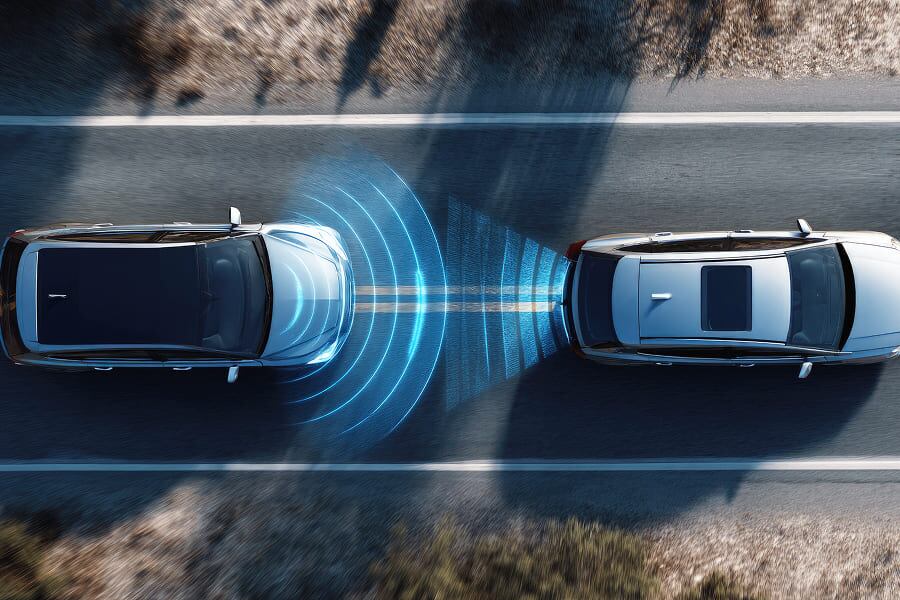
A driver assistance system is a technical support system in the vehicle that relieves the driver while driving and helps to increase road safety. Driver assistance systems play a central role in modern fleet management, as they help to prevent accidents, reduce damage and lower operating costs.
What is a driver assistance system?
Driving assistance systems use sensors, cameras or radar to monitor the vehicle’s surroundings and intervene to provide support. They warn of dangers or automatically take over partial functions such as braking or steering in certain situations.
Typical systems are:
- Emergency brake assist
- Lane departure warning
- Adaptive cruise control
- Blind spot assistant
- Fatigue detection
Depending on the vehicle model and equipment, these systems can be used individually or in combination.
Importance in the vehicle fleet
For companies with several vehicles, driver assistance systems are an important component of damage prevention. They contribute to this:
- Minimize the risk of accidents
- Avoid personal injury
- Reduce repair costs
- Reduce downtimes
- positively influence insurance premiums
The targeted use of modern assistance systems can achieve measurable savings, especially for large fleets.
Economic benefit
Fewer accidents mean lower damage rates and lower indirect costs, for example through replacement mobility or production downtime. At the same time, assistance systems support drivers in everyday life and can reduce stressful situations.
As part of a holistic fleet strategy, driver assistance systems should therefore be taken into account when procuring vehicles.
Conclusion
Driver assistance systems are an important part of modern vehicle technology and make a significant contribution to safety and efficiency in the vehicle fleet. Companies that pay attention to appropriate equipment when selecting vehicles strengthen their damage prevention and improve the economic efficiency of their fleet in the long term.
