
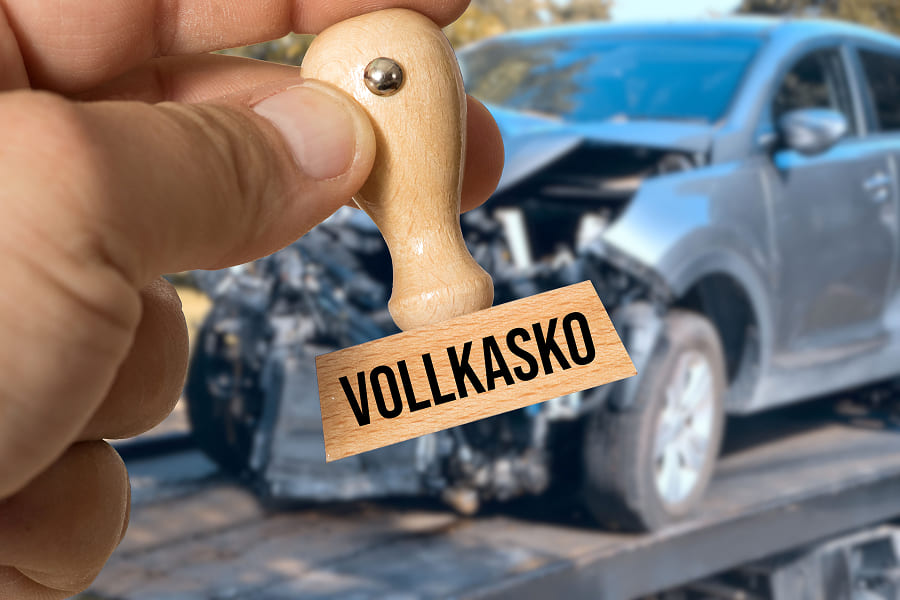
Comprehensive insurance is a voluntary vehicle insurance that goes beyond the protection provided by statutory third-party liability and partial accidental damage insurance. It also covers damage to your own vehicle, even if this is caused by accidents or vandalism for which you are responsible. In fleet management, fully comprehensive insurance is an important component of risk management and cost control.
What does fully comprehensive insurance cover?
As a rule, fully comprehensive insurance includes all the benefits of partially comprehensive insurance and extends the cover to include additional claims. These include, among others:
- self-inflicted accidents
- Vandalism damage to the vehicle
- Damage caused by a hit-and-run driver
- Damage caused by unknown persons
- Damage due to gross negligence, if contractually agreed
It also covers typical partial casco damage such as theft, glass breakage, storm, hail, fire or wildlife accidents.
Importance in fleet management
Fully comprehensive insurance is often useful or even mandatory, especially for new or high-value company vehicles. Leased vehicles, for example, usually have to be fully insured in order to minimize financial risks for lessors and companies.
Fleet management therefore carries out regular checks:
- Which vehicles should be fully comprehensive insured
- how high a possible deductible should be
- how losses affect future insurance premiums
Strategic insurance planning helps to find the right balance between cost and risk.
Economic consideration
As a vehicle ages, the economic benefit of fully comprehensive insurance often decreases. If the residual value of a vehicle is low, some companies decide to only take out partially comprehensive insurance.
The decision usually depends on the following factors:
- Vehicle value and age
- Frequency of use
- Damage history in the vehicle fleet
- Internal risk strategy of the company
Conclusion
Fully comprehensive insurance offers comprehensive protection for company vehicles and is particularly useful for new, high-value or leased vehicles. As part of professional fleet management, you should regularly check which form of insurance makes economic sense in order to minimize risks and control fleet costs at the same time.
