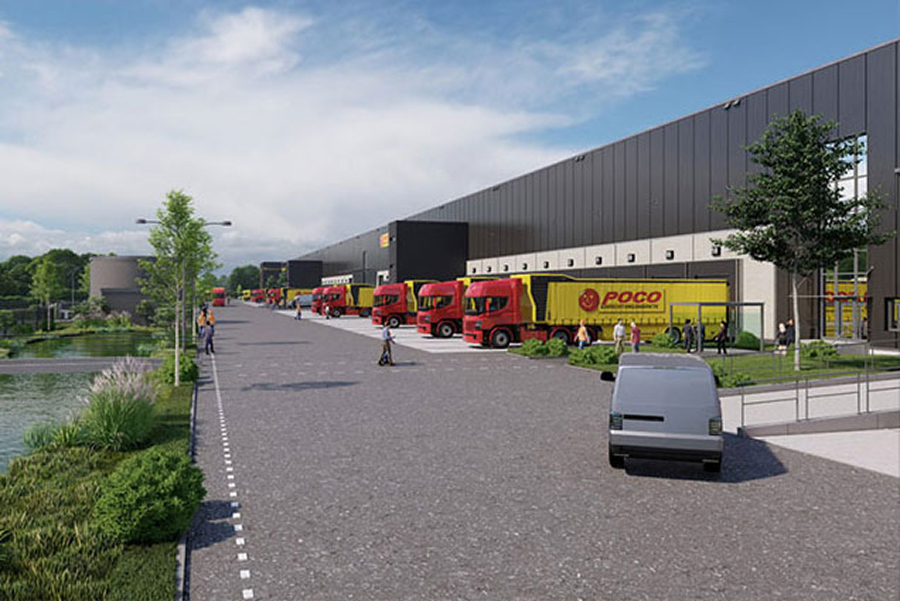
8,500 employees, 125 stores and a fleet of different vehicle types.
The larger a fleet, the more demanding the management of the vehicles becomes. Maintenance, leasing contracts, insurance, fuel costs and repairs generate numerous expenses that need to be coordinated and controlled. Without a clear structure, it becomes difficult for fleet managers to keep track of the actual fleet costs.
One example of this is the fleet of POCO Einrichtungsmärkte GmbH. The company operates around 450 vehicles, employs around 8,500 people and operates 125 stores throughout Germany. On this scale, it quickly becomes clear how important efficient fleet management is for the profitability of a company.
The fleet includes different types of vehicles – from classic cars and vans to special vehicles such as forklift trucks or tractor units. With such diversity, it is clear that a structured overview of fleet costs and vehicle data is essential.
Contents
When fleet costs become confusing
As the size of the fleet increases, so does the complexity of fleet management. Different vehicle types, leasing models and maintenance requirements have to be organized in parallel. The more vehicles a company operates, the more data is generated on a daily basis.
Many companies manage their vehicle fleet in a historically grown way. Vehicle data is stored in different systems, costs are recorded in tables and contract information is spread across several documents. This structure often works as long as the fleet remains manageable.
However, as soon as several hundred vehicles are in use, typical challenges arise:
- Rising total costs due to lack of transparency
- Difficult to compare operating costs of individual vehicles
- Different contract terms and leasing models
- Unclear development of fuel costs
This situation was also clearly evident at POCO. The vehicle fleet is spread across many locations and fulfills different tasks within the company. A clear database therefore became a prerequisite for being able to control fleet costs in the long term.

Minimize your fleet costs with the fleet management software Fleet+
Digital fleet management creates an overview
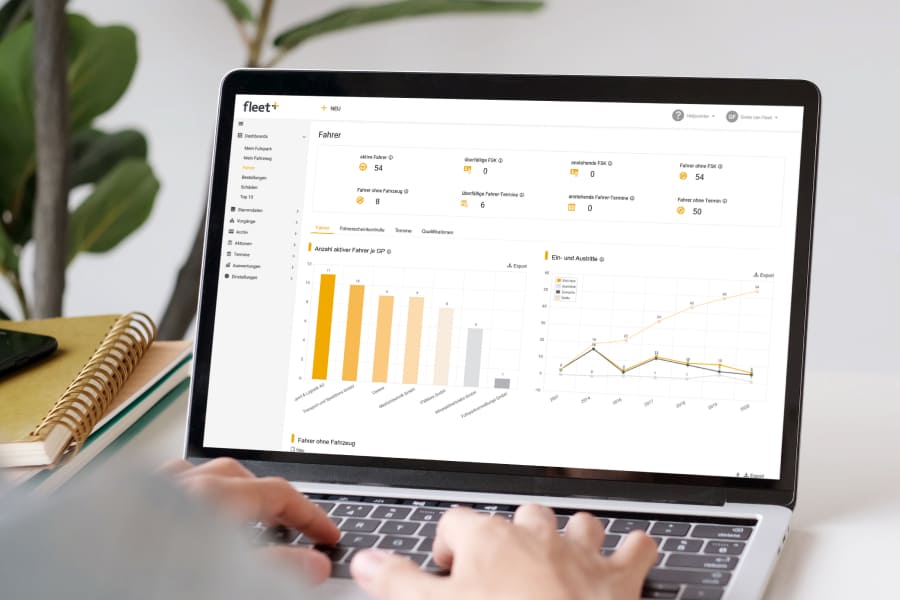
To reduce this complexity, POCO has been using the digital fleet management software Fleet+ from Carano since 2016. The aim was to bundle all relevant information about vehicles, contracts and costs in one central location.
With fleet software, many processes can be organized in a much more structured way. Instead of combining data from different sources, all information is recorded in the system and linked together.
The most important functions include, for example
- Central management of all vehicles
- Structured fleet management across several locations
- Analysis of fleet costs and operating costs
- Evaluation of fuel costs and vehicle usage
- Digital documentation of vehicle data
This digital administration provides a much better basis for strategic decisions in fleet management.
Analyze fleet costs in a targeted manner
A key advantage of modern systems is that data is not only stored, but can also be actively analyzed. This makes it possible for fleet managers to systematically monitor cost trends within the fleet.
Fleet+ can be used to identify developments in the following areas, for example:
- Development of fuel costs for individual vehicles
- Comparison of the operating costs of different vehicle types
- Evaluation of the use of individual vehicles
- Identification of vehicles with particularly high total costs
Such an analysis can make a considerable difference, especially with a fleet of 450 vehicles. For the first time, fleet managers receive a clear data basis for reducing fleet costs in a targeted manner and making decisions in fleet management. fleet management make well-founded decisions.
Efficiency through automated processes
In addition to cost analysis, the organization of daily processes also plays a central role in fleet management. Many tasks arise regularly and tie up considerable resources on a day-to-day basis.
This includes, for example, maintenance dates, contract terms or organizational processes relating to the fleet. If these processes are organized manually, additional work quickly arises for fleet managers.
Digital systems make it possible to control many of these processes automatically. This makes it possible to regularly monitor maintenance deadlines, centrally manage contract terms, automatically evaluate cost trends and structure claims management processes, among other things.
Such functions not only increase efficiency, but also reduce organizational risks in fleet management.
Transparency as the basis for strategic fleet management
The role of the fleet manager is increasingly changing. Whereas in the past, the focus was primarily on organizational tasks, today it is more about strategic decisions.
Companies expect their vehicle fleets to not only be managed, but actively optimized. This includes, for example, the question of which vehicles can be operated economically or how fleet costs can be stabilized in the long term.
Digital systems create the necessary transparency for this. By comprehensively analyzing all relevant fleet data, managers can identify developments at an early stage and take targeted measures.
Fleet+ from Carano provides companies with a platform that supports precisely these requirements and enables transparent fleet management.
Discover how Carano can also ensure clear structures and secure documentation in your company.
Conclusion: Managing fleet costs strategically
- The example of POCO Einrichtungsmärkte GmbH shows how important a structured database is in modern fleet management.
- With 450 vehicles, 8,500 employees and 125 stores, it is clear that manual organization of the fleet is not enough in the long term.
- With digital fleet management software, vehicles, contracts and costs can be managed centrally - for greater transparency, efficiency and improved profitability.
Frequently asked questions
Fleet software bundles all relevant data on vehicles, costs and contracts in one central location. This allows fleet management processes to be automated, deadlines to be monitored and cost trends to be identified more quickly. Solutions such as Fleet+ from Carano help fleet managers to organize processes more efficiently and make decisions based on up-to-date data.
Fleet costs can be reduced primarily through transparency and regular analysis. For example, companies should systematically evaluate fuel costs, maintenance and leasing contracts. Digital solutions in fleet management help to identify cost drivers at an early stage and implement targeted measures to optimize the vehicle fleet.
Fleet management software is a digital solution for the centralized management of a fleet. It helps companies to organize vehicles, contracts, costs and deadlines. Modern systems such as the fleet management software Fleet+ from Carano also enable comprehensive evaluations and automated processes in fleet management.
Yes, digitalization plays a central role in optimizing fleet costs. Digital systems provide a transparent overview of operating costs, fuel costs and contract data. This enables fleet managers to recognize developments at an early stage and manage their vehicle fleet more economically.
The vehicle fleet is one of the biggest cost factors in many companies. A regular look at fleet costs, operating costs and vehicle usage helps to identify inefficient processes and improve the cost-effectiveness of the fleet. Only with a clear database can companies make well-founded decisions in fleet management.
Fleet costs are made up of various factors. These include operating costs, fuel costs, leasing rates, insurance, maintenance and repairs. For a realistic assessment, these costs are often combined to form the total sum of the vehicle fleet and regularly analyzed in order to identify potential savings in fleet management.
Further contributions
Claims management: How to handle damage to your fleet professionally
Fleet safety: How to minimize the risk of accidents
Safety and transparency in the vehicle fleet: why a company car policy is essential
Fleet Management: Basics, Legal Requirements and Tasks
Fleet insurance: cover for your vehicle fleet
The 5 advantages of fleet management software for your company
Fleet management tasks: The 10 most important fleet activities
10 Tips for Successful and Efficient Fleet Management
Mobility Budget Instead of Company Car: Flexible Mobility for Employees
Bicycles in the company: A sustainable alternative for employee mobility
E-mobility in the Company: 5 Important Points of the Fleet Analysis
Driver instruction according to UVV: Download template as PDF
Fuel cards for companies: Efficient management of fuel costs in the fleet
Bicycles in the company: A sustainable alternative for employee mobility
Fleet Management: Modern vehicle management for maximum fleet efficiency
Car Policy: Significance and advantages of a company car policy in the vehicle fleet
Fleet optimization – efficiency and digitalization in modern fleet management
Vehicle management: efficient processes for a modern vehicle fleet
Excel fleet management: a practical start or an outdated concept?
Fleet management: How to manage your fleet successfully
Claims management software: How fleets benefit from digitalization
Sustainable mobility starts with the vehicle fleet: electrification & environmental measures
Owner liability in the fleet: These obligations apply to fleet managers
Fleet management system: Efficient management of modern vehicle fleets
Sustainable fleet management: strategies, processes and control for sustainable companies
Employer Driving License Check: Legal Regulations and Tips for Implementation